
Essential Guide to Subzero Cooling System Repair Techniques

Updated: Feb 24
Subzero Cooling Systems: Essential Repair Guide for Homeowners and Businesses
Subzero cooling systems are vital for preserving perishable goods, maintaining laboratory samples, and supporting various industrial processes. When these systems fail, the consequences can be costly and disruptive. Repairing a subzero cooling system requires specific knowledge and skills to restore its performance efficiently and safely. This guide offers practical repair techniques, troubleshooting tips, and maintenance advice to help you handle common issues with subzero cooling systems.
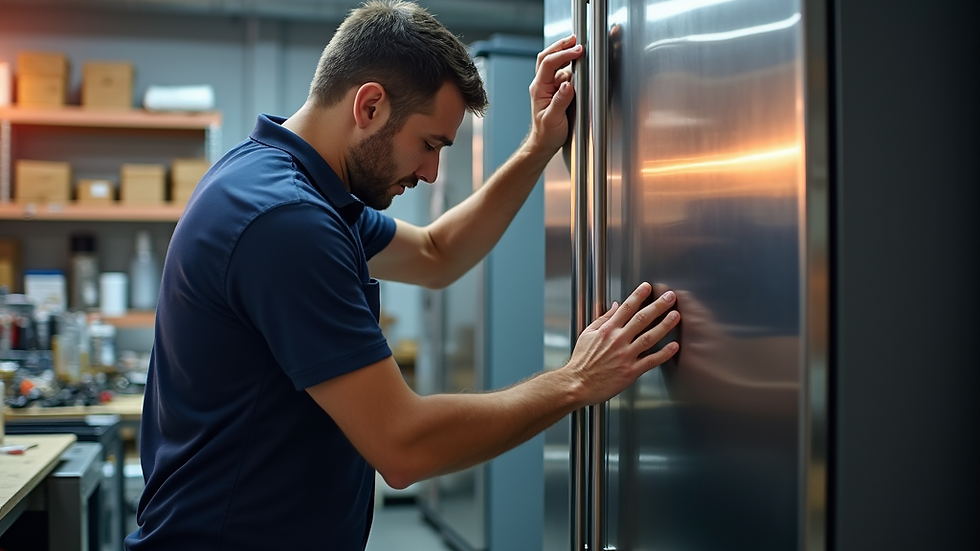
Understanding Subzero Cooling Systems
Subzero cooling systems operate at temperatures below zero degrees Celsius. They often reach as low as -40°C or lower. These systems use specialized refrigerants and components designed to handle extreme cold without freezing or damaging the equipment.
Key components include:
Compressor: Pressurizes the refrigerant and circulates it through the system.
Evaporator coils: Absorb heat from the cooled space.
Condenser coils: Release heat outside the system.
Expansion valve: Regulates refrigerant flow and pressure.
Temperature sensors and controllers: Monitor and adjust system operation.
Understanding how these parts work together helps diagnose problems and perform effective repairs.
Common Problems in Subzero Cooling Systems
Subzero cooling systems can experience several issues that affect their performance:
Refrigerant leaks: Loss of refrigerant reduces cooling capacity and can damage the compressor.
Compressor failure: Overheating or mechanical wear can cause the compressor to stop working.
Frost buildup: Excessive frost on evaporator coils reduces airflow and cooling efficiency.
Faulty sensors or controls: Incorrect temperature readings lead to improper system cycling.
Electrical issues: Wiring problems or blown fuses can interrupt system operation.
Identifying the root cause is the first step toward a successful repair.
Diagnosing Subzero Cooling System Issues
Effective diagnosis involves systematic inspection and testing:
Visual inspection
Look for obvious signs such as oil stains (indicating leaks), damaged wiring, or frost accumulation.
Check refrigerant levels
Use gauges to measure pressure and confirm refrigerant charge is within manufacturer specifications.
Test electrical components
Use a multimeter to check continuity and voltage in sensors, switches, and wiring.
Monitor temperature readings
Compare sensor outputs with actual temperatures to detect faulty sensors.
Listen for unusual noises
Grinding or knocking sounds often indicate compressor or fan motor problems.
Document findings carefully to guide the repair process.
Repair Techniques for Subzero Cooling Systems
Fixing Refrigerant Leaks
Locate leaks using electronic leak detectors or soapy water.
Repair small leaks with approved sealants or by tightening fittings.
Replace damaged components if leaks are severe.
Recharge the system with the correct refrigerant type and amount.
Evacuate air and moisture from the system before recharging to prevent damage.
Compressor Repair or Replacement
Inspect compressor for signs of overheating or mechanical damage.
Test electrical windings for continuity.
Replace compressor if it shows internal failure or cannot maintain pressure.
Ensure proper oil levels and use manufacturer-recommended lubricants.
Verify that the compressor is compatible with the system’s refrigerant.
Managing Frost Buildup
Check defrost cycle settings and timers.
Clean or replace clogged air filters to improve airflow.
Inspect door seals and insulation to prevent warm air ingress.
Adjust humidity levels in the cooled space if possible.
Manually defrost coils if automatic systems fail.
Repairing Sensors and Controls
Replace faulty temperature sensors with compatible models.
Calibrate controllers to ensure accurate temperature regulation.
Inspect wiring harnesses for corrosion or damage.
Update firmware or software if the system uses digital controls.
Addressing Electrical Problems
Replace blown fuses or circuit breakers.
Repair or replace damaged wiring and connectors.
Test and replace malfunctioning relays or contactors.
Ensure grounding and electrical safety compliance.
Preventive Maintenance Tips
Regular maintenance reduces the risk of breakdowns and extends system life:
Schedule routine inspections every 3 to 6 months.
Clean condenser and evaporator coils to maintain heat exchange efficiency.
Check refrigerant levels and top up if necessary.
Lubricate moving parts according to manufacturer guidelines.
Test defrost cycles and adjust as needed.
Inspect door seals and insulation for wear.
Keep electrical components dry and free from dust.
Safety Considerations During Repairs
Working with subzero cooling systems involves risks:
Always disconnect power before servicing electrical parts.
Use personal protective equipment such as gloves and safety glasses.
Handle refrigerants carefully to avoid exposure or environmental harm.
Follow manufacturer instructions and local regulations.
If unsure about complex repairs, consult a certified technician.
When to Call a Professional
Some repairs require specialized tools and expertise:
Major compressor replacements.
Complex refrigerant recovery and recharge.
Electrical system rewiring.
Diagnosing intermittent or unclear faults.
Hiring a professional ensures repairs meet safety standards and system performance is restored.
Conclusion
Subzero cooling systems are crucial for various applications. Understanding their components and common issues is key. Regular maintenance is essential. It prevents costly breakdowns. When in doubt, call a professional. They have the expertise. They ensure safety and efficiency.
For more information on appliance repair, visit Appliance Angeles.


Comments